
In partnership with UNICEF, Deakin researchers developed the Nutrition Environment Assessment Toolkit for Schools (NEAT-s) to understand how well schools support healthy eating and physical activity for children and adolescents. The toolkit has now been used by countries across Asia, Europe, Africa and Latin America, providing governments with practical evidence to strengthen policies and create healthier school environments for children.
The need
Good nutrition is essential for children’s health and development. Yet across Europe and Central Asia, many countries face a “triple burden” of malnutrition, where undernutrition, vitamin and mineral deficiencies, and overweight and obesity exist side by side. More than 1.8 million children under five are affected by stunting, while around one in three children aged 7–9 are overweight or obese. Schools are an ideal setting to support children’s health and nutrition through the food and drinks available and marketed, what children learn about nutrition and physical activity, the spaces available for being active, and health services that can identify and support children at nutritional risk. But many governments lack the information they need to understand what is happening in schools and where policy action is needed to create healthier environments where children can grow, learn and thrive.Some content goes in this section
About
Working closely with UNICEF, governments and local research partners, we support countries to implement the NEAT-s. A key strength of NEAT-s is its flexibility. It can be adapted to each country’s context and priorities, while also providing a standardised approach to collecting and analysing data and reporting findings. NEAT-s assesses schools across four areas:
- school meal programs
- food and physical activity environments
- nutrition and physical activity education
- nutrition-related health services
Assessments also include student surveys and focus groups to understand how students experience their school food environment and what they think could make it healthier. These insights complement the school assessments and help governments identify priorities and develop policies that better reflect students’ experiences and needs.
Impact
Provides practical evidence for action
Equips governments with evidence to strengthen school nutrition and physical activity environments, contributing to policy change and stronger advocacy.
Builds strong international partnerships
Strengthens collaboration between Deakin University, UNICEF, governments, universities and public health organisations across participating countries.
Strengthens local research capacity
Builds skills in data collection, analysis, reporting and the use of evidence to inform policy.
Amplifies young people's voices
Brings students’ experiences and ideas for healthier school environments into policy discussions and decision-making.


Partners

Media, reports and publications
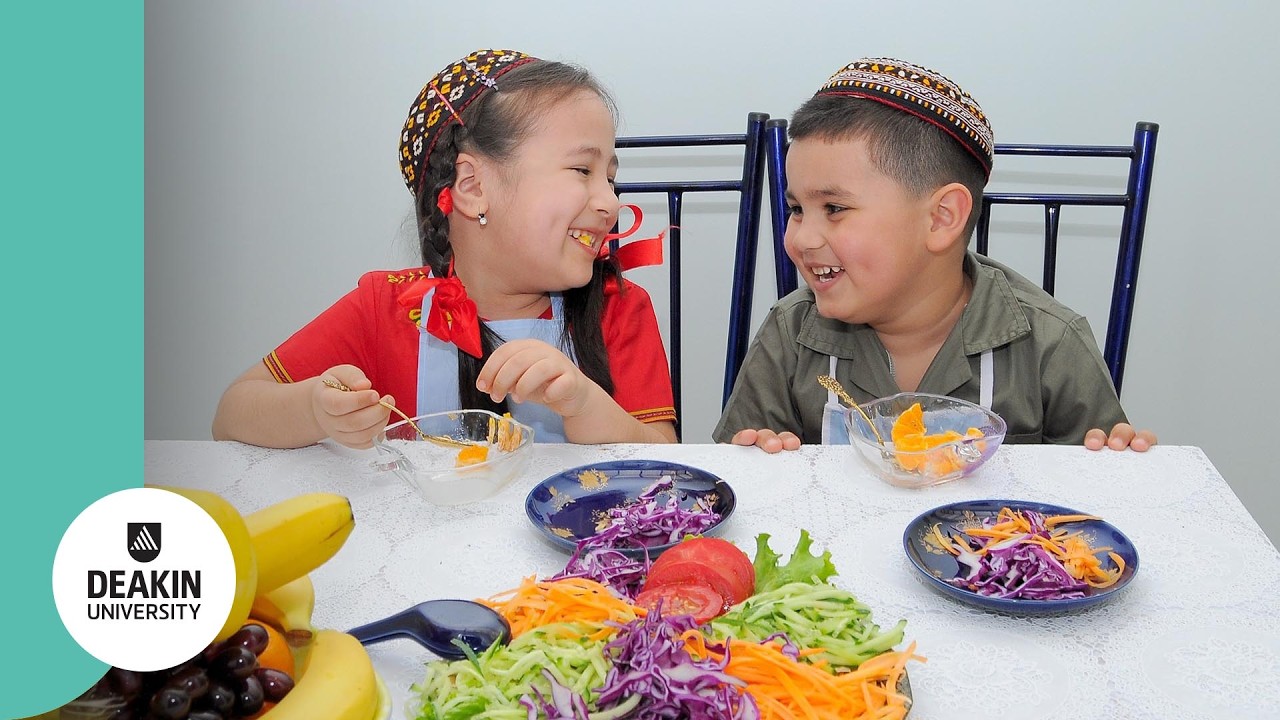
Note: Photographs within this video are courtesy of UNICEF. © UNICEF/2026